

Great Neighborhoods Lake Hills
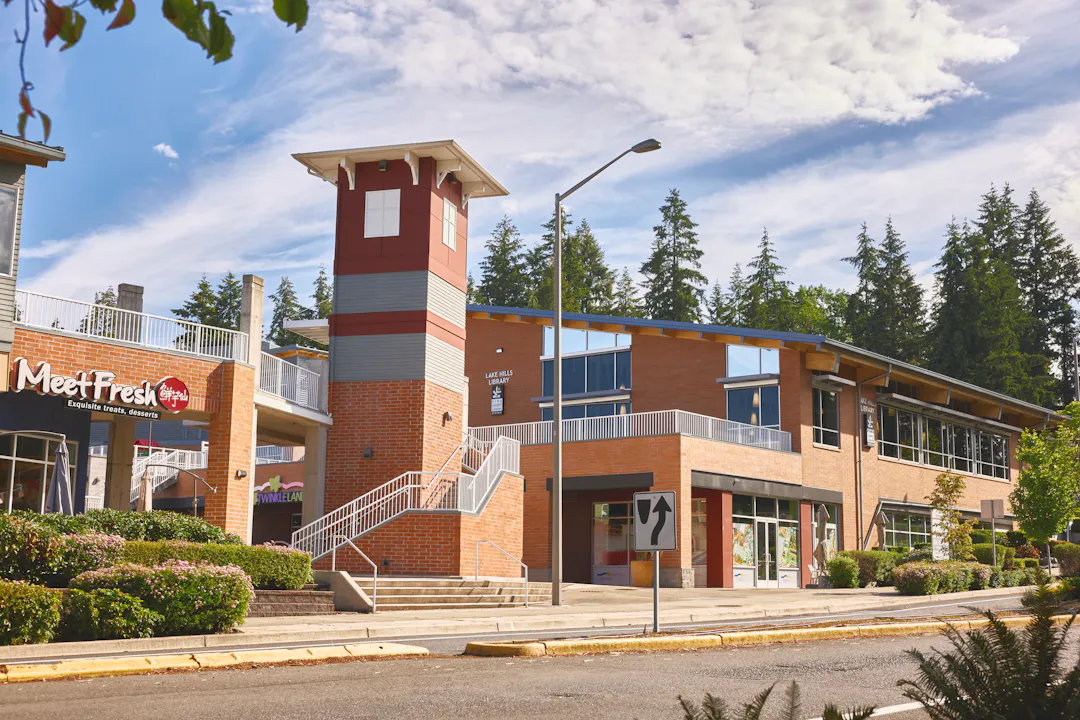
Welcome to Bellevue's Great Neighborhoods Program
Bellevue is known for its diverse, vibrant, and welcoming neighborhoods. The high quality of life that residents enjoy is no accident - it’s the result of thoughtful and collaborative planning with the people who live, work, and play here.
The Great Neighborhoods program is the process for developing neighborhood area plans that reflect the community’s values and vision for the future. Neighborhood area plans inform future growth and change by providing guidance to city staff and developers about the kinds of improvements people want to see.
Neighborhood area plans are part of the city’s overall Comprehensive Plan, which outlines citywide policies on issues like housing, transportation, parks, environmental sustainability, and more. Neighborhood area plans are important tools for addressing the changing needs and conditions at the local level.
The scope of neighborhood planning centers around strengthening a neighborhood area’s unique identity and community gathering places as Bellevue prepares and plans for its well-managed future growth, including:
- Comprehensive neighborhood area plan updates that realign existing subarea plans to current neighborhood boundaries and implement citywide policy direction.
- Land Use guidance, including potential updates to the Future Land Use Map based on changed conditions and, when appropriate, property owner-initiated amendments for sites that could serve as Third Places.
- Urban Design strategies that improve the design and function of public spaces, supported by concept maps illustrating opportunities for enhancing access, character and usability.
- Plans are divided into five main subsections: Neighborhood Identity, Mixed Use and Neighborhood Centers, Community Gathering Spaces, Mobility and Access, and the Environment. These include direction for cultural assets, local services, transit-supportive densities, public spaces, transportation and natural features.
This is our online engagement hub. Here you can find opportunities to share stories, ideas, and feedback. You can also download documents, presentations, and other key information.
Ask a Question
Do you have a question about the Great Neighborhoods program or neighborhood planning? Submit it here and a member of the team will respond.
-

Email tdeuling@bellevuewa.gov -
Phone 425-452-6930 Email bbrod@bellevuewa.gov


For alternate formats, interpreters, or reasonable modification requests please phone at least 48 hours in advance 425-452-6930 or email bbrod@bellevuewa.gov. For complaints regarding modifications, contact the City of Bellevue ADA, Title VI, and Equal Opportunity Officer at ADATitleVI@bellevuewa.gov.
If you have any questions regarding the ADA statement above or need help, please reach out to the City of Bellevue ADA/Title VI Administrator at 425-452-6168 (voice) or email ADATitleVI@bellevuewa.gov. If you are deaf or hard of hearing dial 711.

The City of Bellevue assures that no person shall on the grounds of race, color, or national origin (including limited English proficiency), as provided by Title VI of the Civil Rights Act of 1964 and related statutes, be excluded from participation in, be denied the benefits of, or be otherwise discriminated against under any City of Bellevue program or activity. Any person who believes their Title VI protection has been violated may file a complaint with the City of Bellevue’s Human Resources Director. For additional information regarding Title VI complaint procedures and/or information regarding our non-discrimination obligations, please contact the City of Bellevue’s ADA, Title VI and Equal Opportunity Officer at ADATitleVI@bellevuewa.gov.
For more project information, please contact Service First at 425-452-6800
